

Abstract
Cathodic processes during the electrodeoxidation of solid  in thermally dried and pre-electrolyzed molten
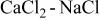 eutectic were studied at temperatures 850-950°C using cyclic voltammetry and chronoamperometry, respectively. In cyclic voltammograms at 850-950°C, several reduction peaks were clearly observed at the potentials at least 0.8 V vs
 less cathodic than those of the metals deposition from the eutectic melt, confirming the concept of cathodic oxygen ionization. The chronoamperometric studies showed that the cathodic processes at the potentials of 0.7-0.2 V vs
 always started with the oxygen ionization of the
 film on the surface of the
 electrode in the molten
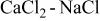 eutectic electrolyte, which was governed by the oxygen diffusion within the film toward the
 -electrolyte interface. The subsequent oxygen ionization of the oxides at the surface took place consecutively and/or simultaneously. Surface characterizations of the
 electrodes before and after the chronoamperometric measurements revealed that there existed a marked dependence of the morphologies, compositions, and phases on the imposed potential steps and that the calcium cations were intercalated electrochemically into the
 structure at the surface at relatively less cathodic potentials than that of the sodium deposition from the molten
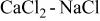 eutectic.
Access this article
The computer you are using is not registered by an institution with a subscription to this article. Please choose one of the options below.
Purchase from
Purchase this article from our trusted document delivery partners.

Make a recommendation
To gain access to this content, please complete the Recommendation Form and we will follow up with your librarian or Institution on your behalf.
For corporate researchers we can also follow up directly with your R&D manager, or the information management contact at your company. Institutional subscribers have access to the current volume, plus a 10-year back file (where available).
