
Abstract
Intercalation chemistry of the zinc–manganese dioxide 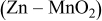 electrochemical cell aiming at the development of aqueous rechargeable batteries is presented. This study includes electrochemical characterization of
 in saturated aqueous lithium hydroxide
 and potassium hydroxide
 electrolytes. The lithium insertion into
 results in the formation of
 . The reversible deintercalation process prevails in the presence of
 electrolyte. Rather than the usual protonation
 which is apparent in the literature while using
 electrolyte, in this work,
 ion insertion into
 is observed. However, the
 ion insertion is found to be irreversible. The intercalation mechanism is confirmed using various techniques to characterize the discharged
 cathode in
 and
 electrolytes. The influence of small amounts of
 (bismuth oxide) additive on the discharge behavior of
 is also discussed.
Access this article
The computer you are using is not registered by an institution with a subscription to this article. Please choose one of the options below.
Purchase from
Purchase this article from our trusted document delivery partners.

Make a recommendation
To gain access to this content, please complete the Recommendation Form and we will follow up with your librarian or Institution on your behalf.
For corporate researchers we can also follow up directly with your R&D manager, or the information management contact at your company. Institutional subscribers have access to the current volume, plus a 10-year back file (where available).