
Abstract
The effect of isotopic substitution of  by
 on the electrochemical cycling properties as well as on the electrochemical and solid-gas isotherms of
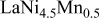 intermetallic compound has been investigated. Contrary to what is observed in the solid-gas isotherms, significant isotope effects have been found in the electrochemical isotherms. This is due to different
 electrolyte activities and
 standard electrode potentials. An empirical method has been developed for converting electrode potentials into equivalent
 and
 pressures based on the Nernst equation. Hydrogen and deuterium equilibrium pressures obtained by this method agree with those obtained by solid-gas reactions. Isotope effects in the rate of
 transfer across the electrode surface have also been observed. The activation period of the electrode is much longer in
 electrolyte. This effect is ascribed to slower permeation rates of
 atoms as compared to
 atoms through the native oxide barriers at the electrode surface. Moreover, higher charge-transfer overpotential has been observed for
 than for
 atoms.
Access this article
The computer you are using is not registered by an institution with a subscription to this article. Please choose one of the options below.
Purchase from
Purchase this article from our trusted document delivery partners.

Make a recommendation
To gain access to this content, please complete the Recommendation Form and we will follow up with your librarian or Institution on your behalf.
For corporate researchers we can also follow up directly with your R&D manager, or the information management contact at your company. Institutional subscribers have access to the current volume, plus a 10-year back file (where available).
