
Abstract
The rate, anisotropy, and morphology obtained by reactive ion etching (RIE) of (111)  epilayer surfaces in
 were determined as functions of
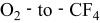 ratio and RF incident power density, at 60 mTorr. The
 etch rate increased from 100 Å/min at
 , to 380 Å/min at
 , and then decreased to 0 Å/min
 . Anisotropic etching was obtained at all
 ratios. As‐etched surfaces were textured (but flat), C‐rich, and contained visible residues adjacent to mesa sidewalls only. The RIE dependence on
 ratios and the nearly linear proportional increase of etch rate and
 indicates etching occurred by a combination of chemical reactions of (111)
 surfaces with F and oxygen radicals and ion bombardment. Titanium carbide (111) surfaces, etched under the same conditions, were isotropically etched, exhibited wavelike morphology, and were free of visible residue.
Access this article
The computer you are using is not registered by an institution with a subscription to this article. Please choose one of the options below.
Purchase from
Purchase this article from our trusted document delivery partners.

Make a recommendation
To gain access to this content, please complete the Recommendation Form and we will follow up with your librarian or Institution on your behalf.
For corporate researchers we can also follow up directly with your R&D manager, or the information management contact at your company. Institutional subscribers have access to the current volume, plus a 10-year back file (where available).
