
Abstract
The codeposition of chromium and aluminum in cementation packs containing a Cr‐5 weight percent (w/o) master alloy and an 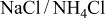 activator mixture has been studied at temperaures of 1100, 1120, and 1140°C. The effects of activator mixture composition, deposition time, temperature, specimen arrangement within the pack, and the loss of volatile species from the pack on the extent of chromium and aluminum codeposition onto a René 80H substrate were determined. It is shown that a proper choice of deposition time and temperature provides control of the composition of the coating's outer
 layer. Coatings with outer layer chromium contents ranging from approximately 6 to 40 w/o were obtained. The growth kinetics of these outward‐grown coatings were measured and found to follow the parabolic rate law with solid‐state diffusion being rate determining. For the times studied (0 to 12 h), the surface composition of the
 coating matrix reached a steady‐state value once the pack reached the deposition temperature. The mass‐transfer model commonly used to describe chemical vapor deposition in a pack‐cementation process could not be used because local quilibrium conditions were not maintained. Reasons for this are discussed.
Access this article
The computer you are using is not registered by an institution with a subscription to this article. Please choose one of the options below.
Purchase from
Purchase this article from our trusted document delivery partners.

Make a recommendation
To gain access to this content, please complete the Recommendation Form and we will follow up with your librarian or Institution on your behalf.
For corporate researchers we can also follow up directly with your R&D manager, or the information management contact at your company. Institutional subscribers have access to the current volume, plus a 10-year back file (where available).
