
Abstract
Amorphous titanium phosphate (Ti–P–O) films were prepared by low-pressure chemical vapor deposition (CVD) using a mixture of titanium tetrachloride  and trimethyl phosphite
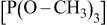 under the coexistence of
 and
 at a flow rate of 50 sccm for each (the
 -added system) or devoid of
 and
 (the
 -free system). The growth rate and the
 ratio in films increased with the increase in deposition temperature and the
 input for the
 -added system but remained unchanged for the
 -free system. Different growth mechanisms are proposed to elucidate the different growth behaviors. A new viewpoint for the generation of intrinsic stress in thin films is suggested, based upon the internal stress changing with the
 input for the
 -free Ti–P–O films at the same film thickness and composition. Three composition zones for the amorphous Ti–P–O films, based upon the compositional analysis and property measurement, are proposed to explain the measured electrical properties.
Access this article
The computer you are using is not registered by an institution with a subscription to this article. Please choose one of the options below.
Purchase from
Purchase this article from our trusted document delivery partners.

Make a recommendation
To gain access to this content, please complete the Recommendation Form and we will follow up with your librarian or Institution on your behalf.
For corporate researchers we can also follow up directly with your R&D manager, or the information management contact at your company. Institutional subscribers have access to the current volume, plus a 10-year back file (where available).
