
Abstract
The solubility of oxide ions in LiCl-rich 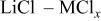 (
 , K, Cs, Ca, Sr, or Ba) melts was measured in the temperature range 723–923 K as part of the development of an electrolytic reduction process for spent nuclear fuel because the solubility of oxide ions strongly affects the rate of oxide reduction. With the exception of the
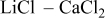 system, the precipitate was
 under an oversaturated condition. The solubility of
 in molten LiCl at 923 K was determined to be
 . The solubility significantly decreased when alkali metal chlorides (NaCl, KCl, and CsCl) were added to LiCl and slightly decreased when
 was added. In contrast, the addition of
 increased the
 solubility. Empirical formulas for the relationship between
 solubility and salt composition were derived. The logarithm of
 solubility plotted against the reciprocal temperature gave an approximately linear relationship in the LiCl–KCl system. The addition of
 to LiCl saturated with
 gave a CaO precipitate.
Access this article
The computer you are using is not registered by an institution with a subscription to this article. Please choose one of the options below.
Purchase from
Purchase this article from our trusted document delivery partners.

Make a recommendation
To gain access to this content, please complete the Recommendation Form and we will follow up with your librarian or Institution on your behalf.
For corporate researchers we can also follow up directly with your R&D manager, or the information management contact at your company. Institutional subscribers have access to the current volume, plus a 10-year back file (where available).
