
Abstract
The electrical conductivities of  (
 , 0.11, 0.22, 0.33, and 0.44) were measured by dc method and ac impedance method to reveal the effect of Ti substitution on the conductivity of
 . The electronic conductivity decreased drastically with increasing
 , in which activation energy increased from
 , because of the decreasing number of the electron-hopping pairs of
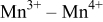 . The ionic conductivity changed nonlinearly, exhibiting a maximum at
 , in which activation energies were constant at around
 . For this, it was suggested that the surface state of
 particles might influence the ionic conductivity.
Access this article
The computer you are using is not registered by an institution with a subscription to this article. Please choose one of the options below.
Purchase from
Purchase this article from our trusted document delivery partners.

Make a recommendation
To gain access to this content, please complete the Recommendation Form and we will follow up with your librarian or Institution on your behalf.
For corporate researchers we can also follow up directly with your R&D manager, or the information management contact at your company. Institutional subscribers have access to the current volume, plus a 10-year back file (where available).