
Abstract
We investigate the microstructure and thermal stability of hydrogenated amorphous silicon  thin films deposited by high-density plasma chemical vapor deposition (HDP-CVD) with various biases using radio frequency (rf) power. The
 films were prepared without external heating at a high rf power density of
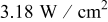 , with the rf power bias varying from 0 to
 . Because sputtering also occurs during deposition, hydrogen may be present in a variety of bonding configurations in the
 films with various biases. Fourier transform infrared spectra show that the HDP-CVD
 films possess more hydrogen content as well as
 stretching modes than the conventional plasma-enhanced CVD counterpart. The surface morphology of the films becomes smooth upon ion bombardment under rf bias. In addition, variations of the film stress against temperature correlate to the hydrogen desorption at different stages during thermal annealing. More importantly, the different
 bonding configurations affect the crystallization behavior upon thermal annealing.
Access this article
The computer you are using is not registered by an institution with a subscription to this article. Please choose one of the options below.
Purchase from
Purchase this article from our trusted document delivery partners.

Make a recommendation
To gain access to this content, please complete the Recommendation Form and we will follow up with your librarian or Institution on your behalf.
For corporate researchers we can also follow up directly with your R&D manager, or the information management contact at your company. Institutional subscribers have access to the current volume, plus a 10-year back file (where available).
