
Abstract
The anodic oxidation of gallium phosphide in properly pH‐adjusted NMA solutions was carried out under constant current conditions. Uniform oxides have been reproducibly grown in NMA with 10%  . The pH was adjusted to 12 using
 and readjusted to 8.5–10 using citric acid. The oxide thickness‐forming voltage relationship is linear, with a slope of approximately 11 Å · V−1, independent of current density from 0.125–4.0 mA · cm−2. The thickness of
 consumed during the oxide growth
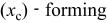 voltage
 relationship is also linear, but its slope varies with current density (
 , mA · cm−2) and is described empirically as
 . Electrical carrier‐concentration and mobility profiles in Zn‐implanted
 were obtained by differential Hall‐effect and sheet‐resistivity measurements combined with an oxide growth‐stripping process, where anodization is performed under optimumly defined conditions.
Access this article
The computer you are using is not registered by an institution with a subscription to this article. Please choose one of the options below.
Purchase from
Purchase this article from our trusted document delivery partners.

Make a recommendation
To gain access to this content, please complete the Recommendation Form and we will follow up with your librarian or Institution on your behalf.
For corporate researchers we can also follow up directly with your R&D manager, or the information management contact at your company. Institutional subscribers have access to the current volume, plus a 10-year back file (where available).
