
Abstract
In molten 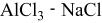 with near equimolar compositions, electrocatalysis of the chlorine electrode reaction
 on
 electrodes has been investigated at 175°C. Melt‐stable
 electrodes were prepared by a thermal decomposition method on semiconductive
 films deposited on Pyrex substrates. Tafel relationships for chlorine evolution and reduction were studied as functions of
 and partial pressure of
 , and several kinetic parameters including reaction orders with respect to Cl− and
 were determined. The mechanistic analysis based on the theoretical kinetic derivatives revealed that the chlorine electrode reaction on
 obeys a Volmer‐Tafel type mechanism under the activated Temkin condition:
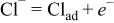 (fast),
 (slow). The exchange current density at the standard condition (
 ,
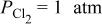 ) was
 , and this figure was found to be 15–20 times larger than that on glassy carbon electrodes. The difference of this electrocatalytic activity was ascribed to the mechanistic difference between the two electrode materials and not to the difference of electrode roughness. Capacity data to check this viewpoint were also presented.
Access this article
The computer you are using is not registered by an institution with a subscription to this article. Please choose one of the options below.
Purchase from
Purchase this article from our trusted document delivery partners.

Make a recommendation
To gain access to this content, please complete the Recommendation Form and we will follow up with your librarian or Institution on your behalf.
For corporate researchers we can also follow up directly with your R&D manager, or the information management contact at your company. Institutional subscribers have access to the current volume, plus a 10-year back file (where available).
