
Abstract
The potentiodynamic characteristics of the model interface 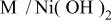 alkaline electrolyte (
 , vitreous carbon) is investigated to determine principally the influence of the
 layer thickness on the kinetics of the electro‐oxidation reaction. For thin
 layers the phenomenological relationships indicate that the reaction is controlled by a complex surface reaction mechanism. Conversely, for thick films a clear mass transport control is observed. The latter is probably associated with the transport of OH− species in the film during the electrochemical reaction. The transition in the kinetics of the
 electrochemical reaction is discussed in terms of a reaction model involving the coupling of ionic mass transport processes to the main complex electron transfer reaction.
Access this article
The computer you are using is not registered by an institution with a subscription to this article. Please choose one of the options below.
Purchase from
Purchase this article from our trusted document delivery partners.

Make a recommendation
To gain access to this content, please complete the Recommendation Form and we will follow up with your librarian or Institution on your behalf.
For corporate researchers we can also follow up directly with your R&D manager, or the information management contact at your company. Institutional subscribers have access to the current volume, plus a 10-year back file (where available).
