
Abstract
Seebeck coefficient and electrical conductivity are measured at 1300 K vs. oxygen partial pressure in the  range between
 . Comparative analysis of both parameters indicates that the mobility term for electron holes in undoped
 is changing vs. oxide composition. Its average value is:
 . Singly ionized cation vacancies were established as predominant defects for undoped
 and doubly ionized cation vacancies for
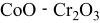 solid solutions. No simple relationship is observed between the concentration of Cr incorporated into
 and the generated hole concentration as predicted by the controlled valency theory. In contrast to this theory, the experimental data indicate a strong decrease of the Fermi energy
 vs. Cr concentration for
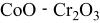 solid solutions. Accordingly, significant interaction between point defects in Cr‐doped
 crystal is postulated. The application of the Debye‐Huckel theory for strong electrolytes allows for the calculation of
 which is in an agreement with experimental results. The defect equilibrium constants are calculated for formation of singly and doubly ionized cation vacancies in
 at 1300 K

and

Access this article
The computer you are using is not registered by an institution with a subscription to this article. Please choose one of the options below.
Purchase from
Purchase this article from our trusted document delivery partners.

Make a recommendation
To gain access to this content, please complete the Recommendation Form and we will follow up with your librarian or Institution on your behalf.
For corporate researchers we can also follow up directly with your R&D manager, or the information management contact at your company. Institutional subscribers have access to the current volume, plus a 10-year back file (where available).
