
Abstract
A thermogravimetric study was made of the reaction of the zirconia stabilizing oxides,  ,
 ,
 , and
 , with molten
 at 800°C under
 partial pressures of 10+2 to 10−3 Pa. The melt composition is determined by:
 . No reaction of
 was found at
 partial pressures up to
 where the reaction,
 , commenced. Reaction of
 occurred at about
 of
 , with
 formed. Reaction of
 and
 with the
 melt began, on the other hand, at
 partial pressures too low to be measured (<10−3 Pa).
 and
 are thus potentially superior to
 and
 as stabilizers for hot corrosion resistant zirconia thermal barrier coatings. Certain other information concerning the thermochemistry of the
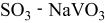 system was also revealed.
Access this article
The computer you are using is not registered by an institution with a subscription to this article. Please choose one of the options below.
Purchase from
Purchase this article from our trusted document delivery partners.

Make a recommendation
To gain access to this content, please complete the Recommendation Form and we will follow up with your librarian or Institution on your behalf.
For corporate researchers we can also follow up directly with your R&D manager, or the information management contact at your company. Institutional subscribers have access to the current volume, plus a 10-year back file (where available).
